

Security vs. Flow: You Can’t Ignore Either

Why tightening control often slows traffic — and loosening it weakens protection
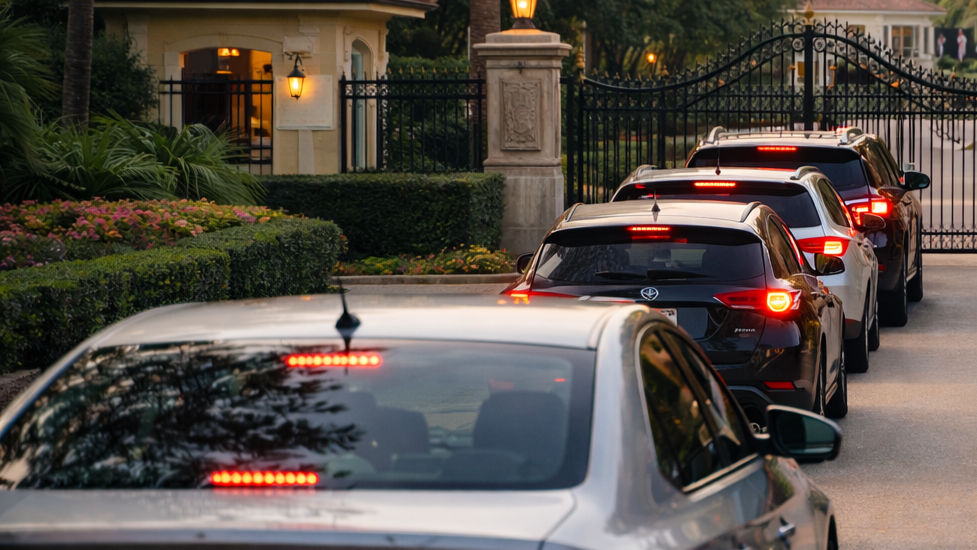
The tighter you make security, the worse traffic often gets.
The looser you make it, the weaker your control becomes.
Every gated community and commercial property lives somewhere inside that tension.
The mistake isn’t choosing security or flow.
The mistake is pretending you don’t have to balance both.
Why Over-Tightening Security Backfires
When systems are configured for maximum restriction without considering movement, you often see:
Long entry queues during peak hours
Increased tailgating
Frustrated users finding workarounds
Manual overrides becoming common
Guards or staff bypassing rules to “keep things moving”
Ironically, pushing security too hard can create behaviors that undermine it.
We explore how traffic design affects behavior in Why Gate Systems Fail at Peak Hours.
Why Over-Prioritizing Flow Creates Risk
On the other hand, loosening controls to eliminate friction can:
Extend gate hold-open times
Reduce credential verification
Allow shared access
Increase unrecorded entries
The system may feel smoother, but data integrity and accountability quietly erode.
Security and Flow Are Design Problems, Not Opposites
The goal isn’t maximum restriction or maximum speed.
The goal is predictable, structured movement.
Well-designed systems account for:
Peak traffic patterns
Credential reliability
Lane geometry
Detection loop placement
Open/close timing
Secondary control layers
For example, pairing ALPR with structured timing and barrier sequencing can maintain verification without extending entry windows unnecessarily.
The Real Risk: Designing for Average Conditions
Many systems are configured based on how they behave mid-day.
But security decisions should be evaluated during:
The busiest 30 minutes of the day
Shift changes
School drop-off windows
Vendor delivery periods
Across fast-growing areas like Tampa Bay and Central Florida, where vehicle volumes shift year to year, designing for average traffic almost guarantees frustration during peak traffic.
How to Balance Security and Flow
Balancing both requires intention:
✔ Design for Peak Hour Performance
Don’t configure timing for calm conditions.
✔ Use Layered Validation
One credential event shouldn’t equal unlimited entry opportunity.
✔ Maintain Clean Credential Databases
Flow improves when credentials work consistently.
✔ Monitor Data, Not Just Complaints
Look at logs and patterns, not just anecdotal frustration.
✔ Treat Access as an Ongoing Process
Systems drift over time without periodic adjustment.
Why This Matters
When security and flow are balanced properly:
Traffic feels predictable
Data remains accurate
Tailgating decreases
User frustration drops
System credibility improves
Access control isn’t about making movement harder.
It’s about structuring it intelligently.
If you’re evaluating gate automation and access control systems in the Tampa Bay area, balancing security and flow should be part of the initial conversation — not an afterthought. Request a free consultation of your gate, access or video system today.


